Designing Your Dream Space with AR and VR Technology
 Pakty
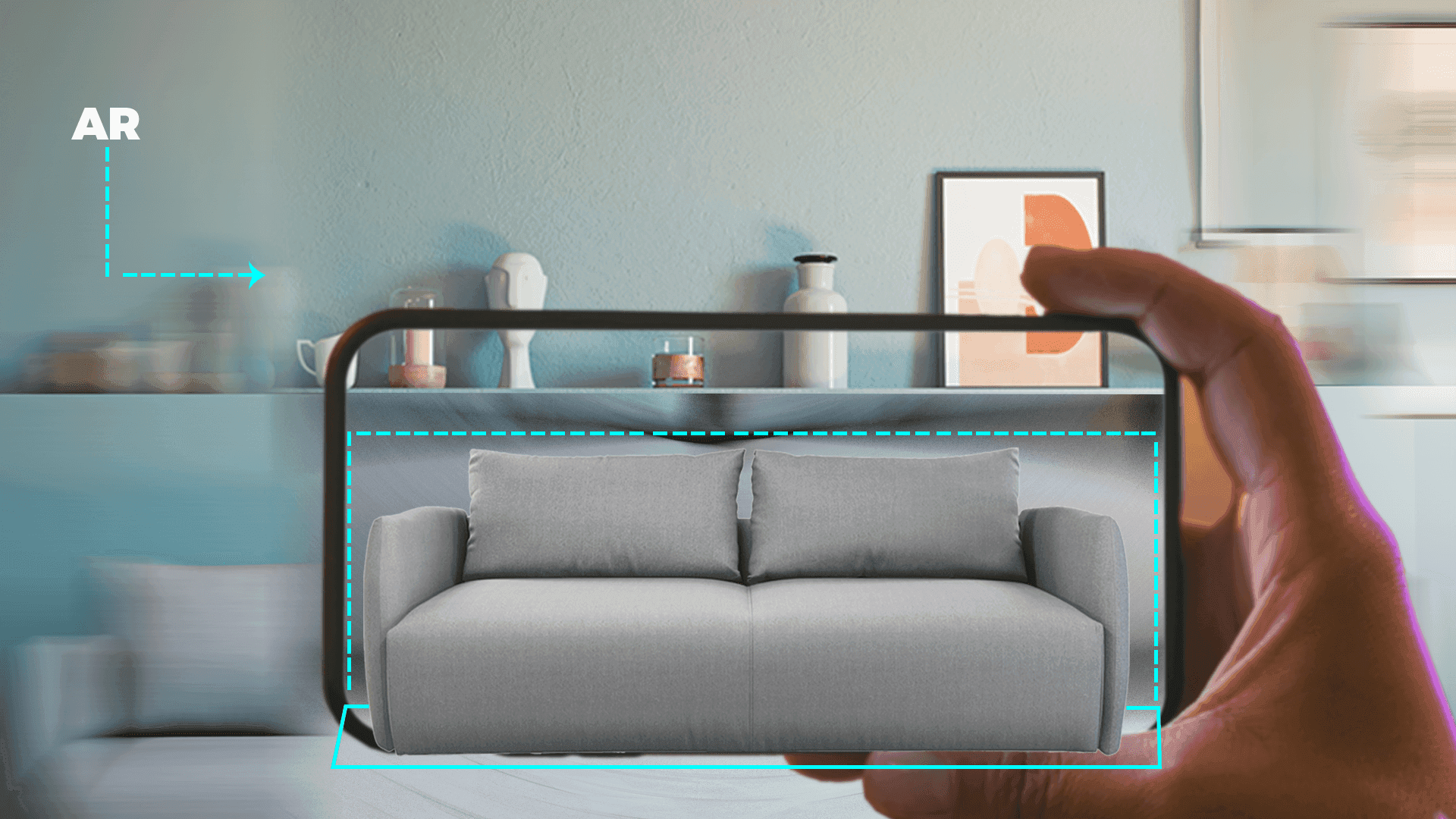
PaktyAugmented Reality and Virtual Reality technologies have revolutionised the interior design industry. With AR and VR, homeowners and interior designers can visualize furniture, decor, and other design elements in a room before making any physical changes.
Introduction:
AR allows users to view digital objects in the real world, giving them a better sense of scale, colour, and texture. This technology can be accessed through a smartphone or tablet camera, making it accessible to a broader audience.
Conversely, VR immerses the user in a digital environment, allowing them to walk through virtual space and interact with virtual objects. This technology provides a more realistic and immersive experience than AR but requires more specialized equipment, such as VR headsets.
Both AR and VR can save time, money, and resources by reducing the need for physical prototypes and mockups. They also provide more opportunities for collaboration and communication between designers and clients.
Overall, AR and VR are valuable tools in the interior design process and are expected to play a significant role in shaping the industry’s future.
Integrating AR and VR into the design process, including collaboration between designers, clients, and other stakeholders.
Integrating AR and VR into the interior design process has revolutionized how designers and clients collaborate and visualize design concepts. With AR and VR technology, designers can create virtual representations of a space, allowing clients to see and experience design concepts in a more interactive and immersive way.
One of the critical benefits of AR and VR in interior design is the ability to visualize design concepts before construction begins. This saves time and resources and helps ensure everyone is on the same page, reducing the risk of misunderstandings or miscommunications.
Another advantage of AR and VR technology is the ability to make changes to the design easily. In a traditional design process, changes to the plan can be time-consuming and expensive. With AR and VR, changes can be made quickly and easily, allowing designers and clients to explore different options and make informed decisions.
In addition to facilitating collaboration between designers and clients, AR and VR technology can also help to bring other stakeholders into the design process. For example, contractors and engineers can use AR and VR to explore and visualize construction plans, ensuring they understand what is required.
In conclusion, integrating AR and VR into the interior design process has transformed how designers, clients, and other stakeholders collaborate and visualize design concepts. With its ability to streamline the design process and promote collaboration, AR and VR technology is becoming increasingly popular in the interior design industry.
Real-world examples:
Here are a few examples of successful interior design projects that used AR and VR technology:
- Kohler Digital Showroom: Kohler created a virtual showroom where customers can see and experience their products in a virtual environment.
- Lowes Holoroom: Lowes created a virtual room design experience using VR technology, allowing customers to see how products will look in their homes before making a purchase.
- Dulux Visualizer: Dulux created an AR app that allows users to see how different paint colours will look in their homes before making a purchase.
- Design Within Reach Studio: Design Within Reach created a virtual showroom that allows customers to experience their furniture in a virtual environment.
- Pakty App: An app that provides virtual staging services to interior designers and homeowners. They can create virtual furniture arrangements using VR technology to help sell properties more effectively.
With the ability to provide a more immersive and interactive experience, AR and VR technology is becoming increasingly popular in the interior design industry. Its use streamlines the design process, making it more efficient and cost-effective for designers and clients.
The future of AR and VR in interior design:
The future potential of AR and VR technology in interior design is vast and exciting. With advancements in technology, such as 3D printing and other related fields, the possibilities for creating truly immersive and interactive interior design experiences are endless.
One potential development shortly is the integration of 3D printing with AR and VR technology. This could allow designers to create physical prototypes of design elements, such as furniture or accessories, for clients to view and interact with within a virtual environment. This would provide a more accurate representation of the final product and ensure everyone is on the same page.
Another area of growth for AR and VR technology in interior design is the use of wearable devices, such as smart glasses or gloves. This could allow designers to create virtual environments that are even more immersive and interactive, giving clients a true sense of what a space would feel like.
The use of AI and machine learning is also likely to play a larger role in the future of interior design. For example, AI algorithms could analyze clients’ preferences and suggest design options that match their tastes and needs. This would make the design process even more personalized and efficient.
In conclusion, the future potential of AR and VR technology in interior design is vast and exciting. With advancements in 3D printing and other related technologies, the possibilities for creating truly immersive and interactive interior design experiences are endless. As these technologies continue to evolve, they will likely play an increasingly important role in the interior design industry, making the design process more efficient, practical, and personal.
The ethical considerations of AR and VR in interior design:
The integration of AR and VR technology into interior design has several ethical considerations that must be considered. Some of the key considerations include privacy and accessibility.
Privacy is a significant concern regarding AR and VR technology in interior design. As more and more data is collected and stored, there is a risk that sensitive information could be misused or leaked. Designers and clients need to be aware of these risks and take steps to ensure that their data is protected. This might include implementing secure data storage systems and encryption technologies and developing clear privacy policies.
Accessibility is another important consideration in using AR and VR technology in interior design. Not everyone may have access to the technology or be able to use it effectively, particularly those with disabilities or limited mobility. Designers need to be mindful of this and take steps to ensure that their virtual environments are accessible to all users. This might include incorporating accessibility features such as audio descriptions or alternative input methods.
In conclusion, integrating AR and VR technology into interior design brings several critical ethical considerations, including privacy and accessibility. Designers and clients must be
aware of these considerations and take steps to ensure that their virtual environments are safe, secure, and accessible to all users. By doing so, they can ensure that the benefits of AR and VR technology are accessible to everyone while also maintaining the highest ethical standards.
Subscribe to our newsletter and receive the latest interior design news and updates!